

ToddlersSafetyKindergartens
What Makes a Safe Play Area for Ages 0–3?
2 min readAsilsanpark
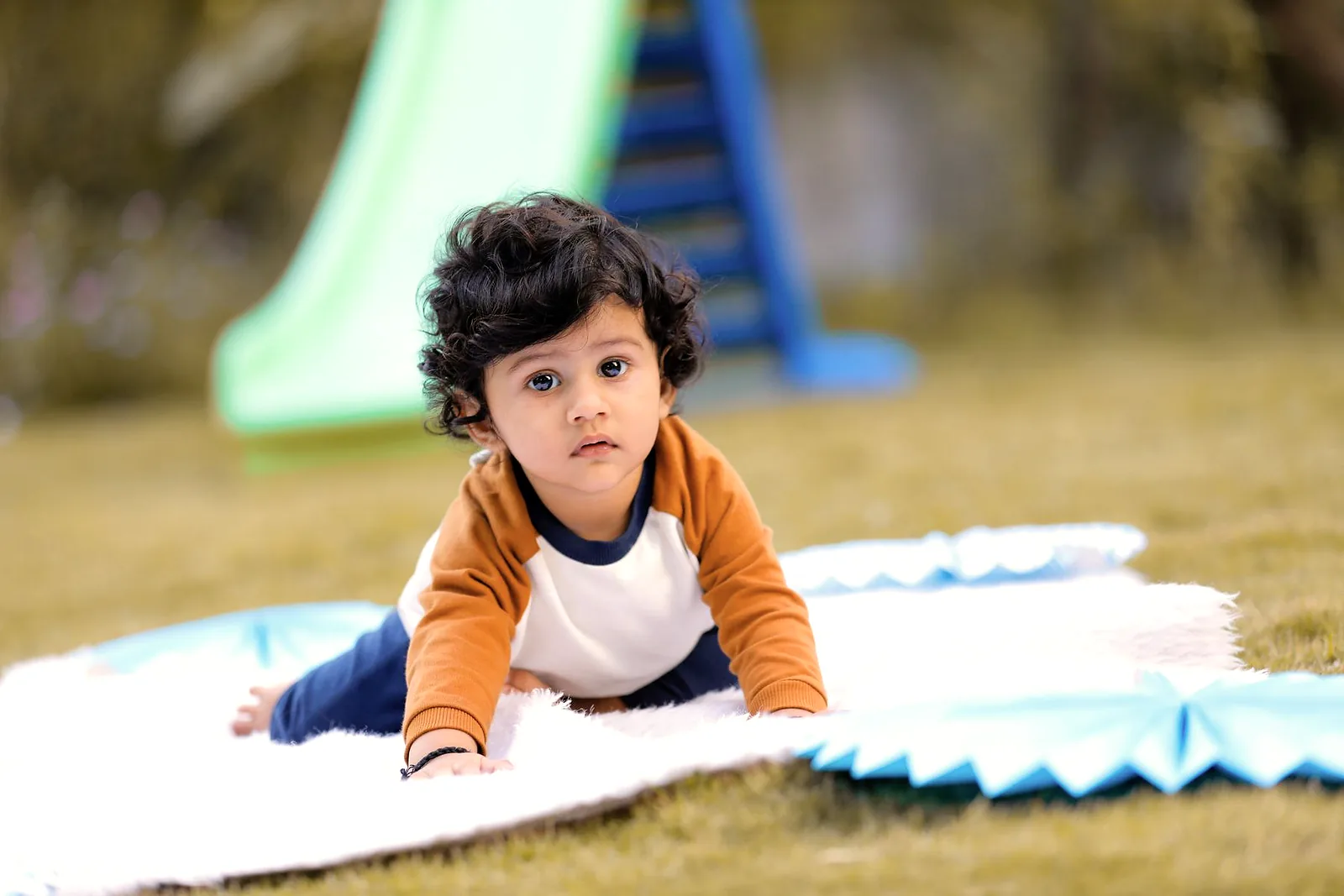
What to consider when designing a play area for babies and toddlers: a practical guide to height, surfacing, materials and parent access.
The first three years of life are when motor skills develop fastest. A play area for this age group should not be a scaled-down copy of one for older children, but a space designed around their own needs.
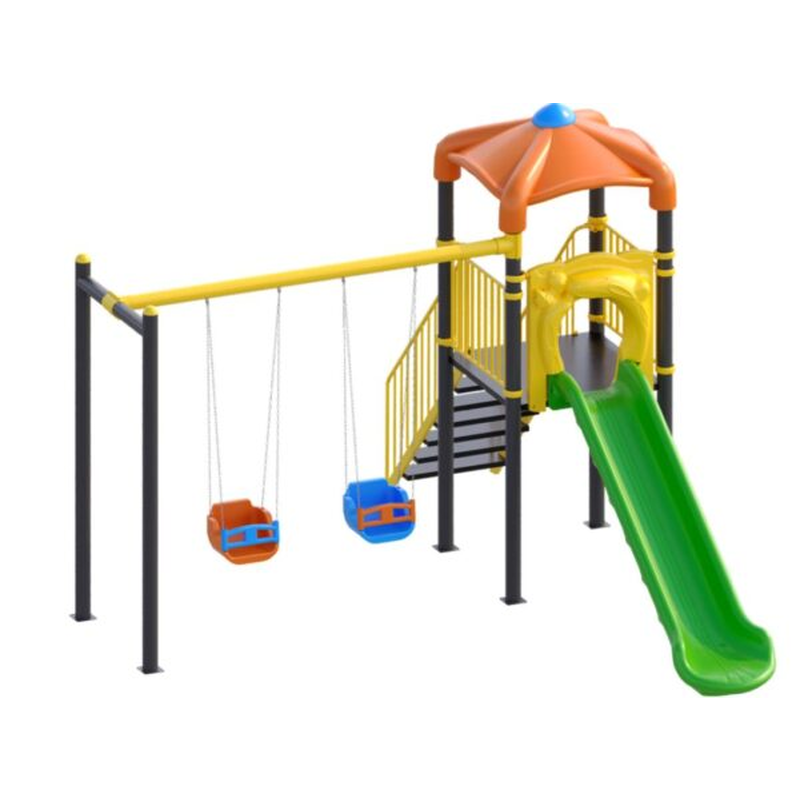
Low, reachable equipment
- Platform heights should be kept low,
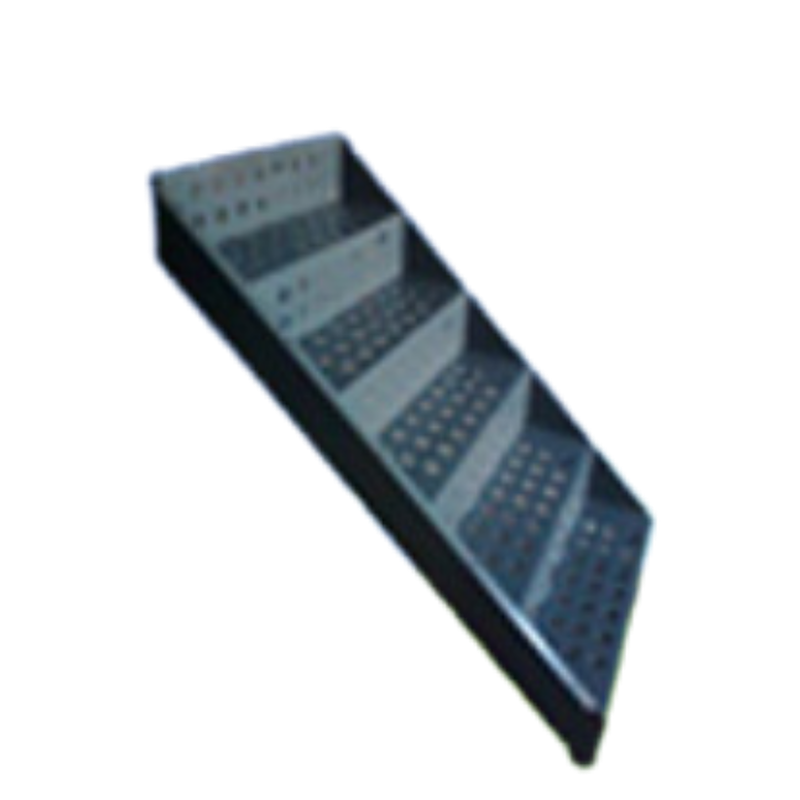
- Wide steps and ramps should be preferred over ladders,
- Slides should be short with a gentle slope.
Soft, clean surfacing
Children of this age spend much of their time on the ground. Rubber surfaces are ideal for crawling and sitting; if sand is used, it must be cleaned regularly and checked for foreign objects.
Materials and surfaces
- There must be no sharp edges or corners,
- Small parts must not be able to come loose,
- Surfaces should not get too hot in the sun; for plastic elements, UV-stabilised material helps protect the colour and surface.
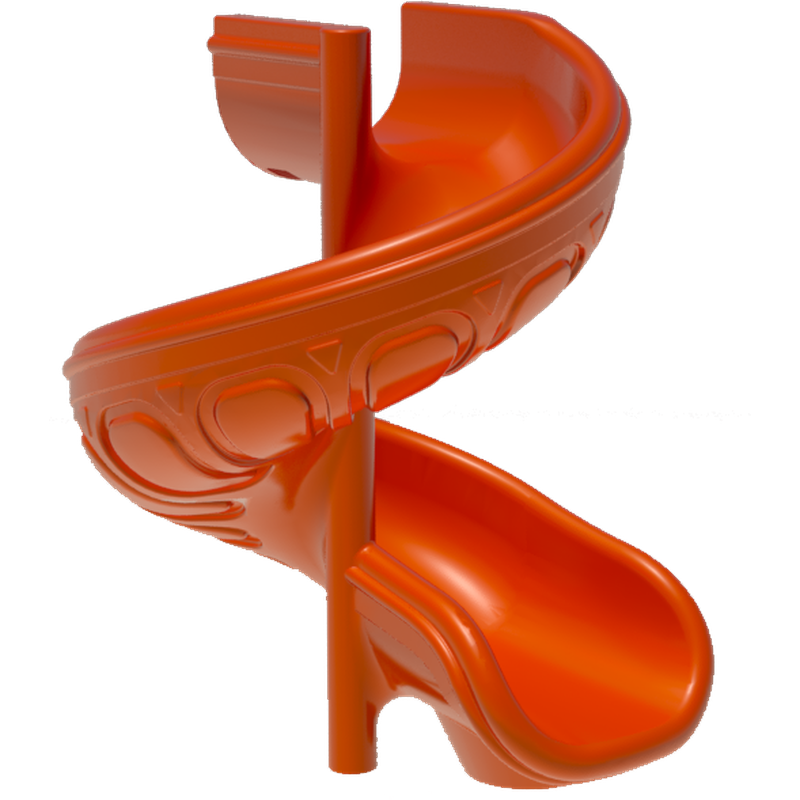
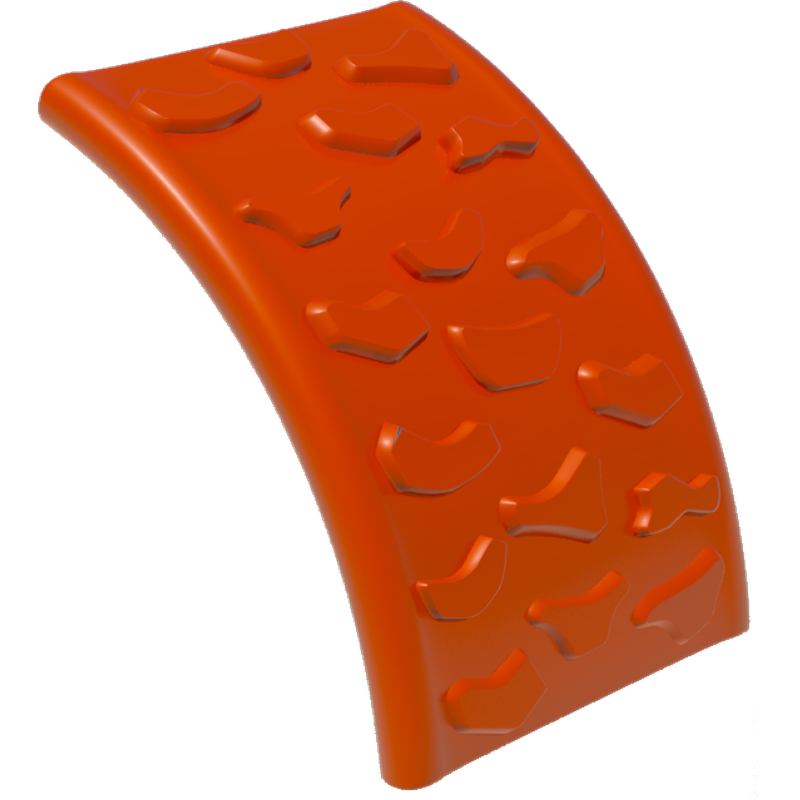
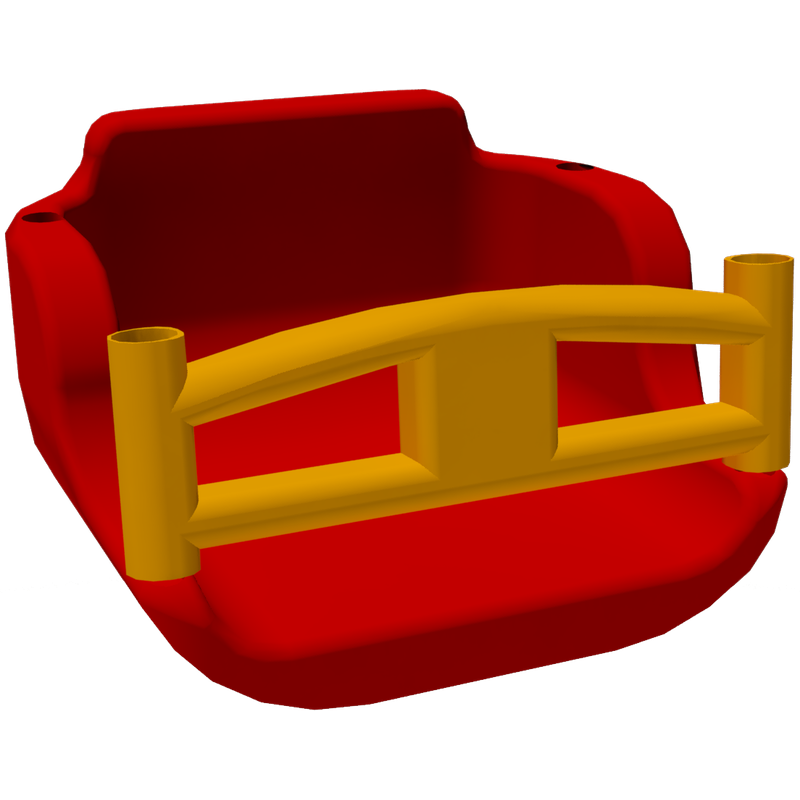
At Asilsanpark we make slides, panels and figures by rotational moulding from UV-stabilised, antistatic polyethylene.
Sensory play
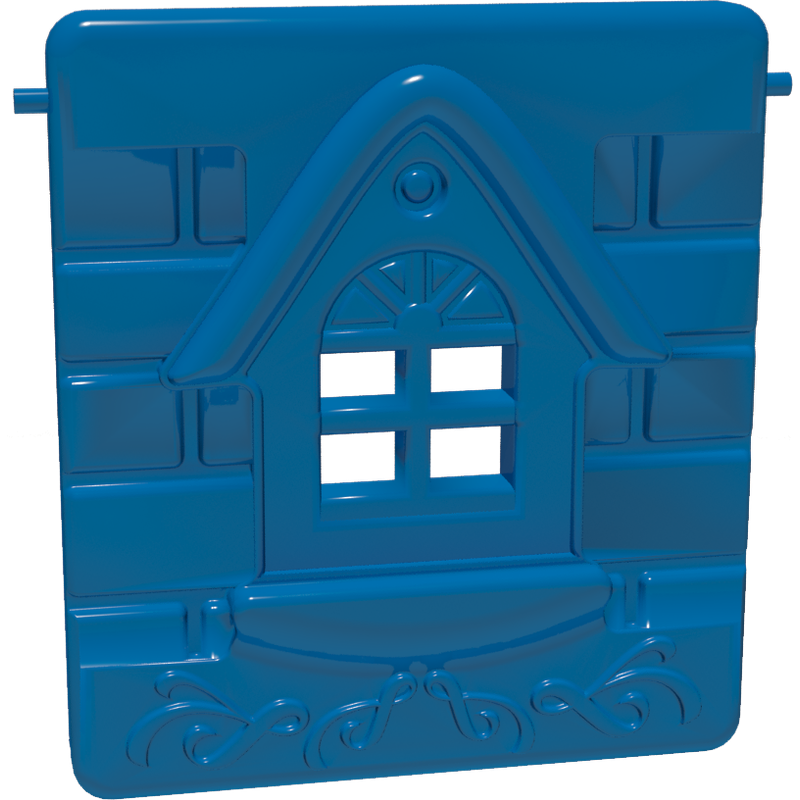
Colourful panels, number and shape games, and elements that make sounds develop perception in children of this age. Panels are the most practical elements for this purpose.
Comfort for parents
- The area should be open so parents can see every corner,
- There should be seating and shade nearby,
- There should be a single, controlled entrance.
To discuss suitable solutions for kindergarten and nursery gardens, fill in the quote form.