ManufacturingSlidesRotational moulding
What Is Rotational Moulding? How Are Plastic Slides Made?
2 min readAsilsanpark

A step-by-step look at rotational moulding, the method used to make playground slides, roofs and panels, and its advantages.
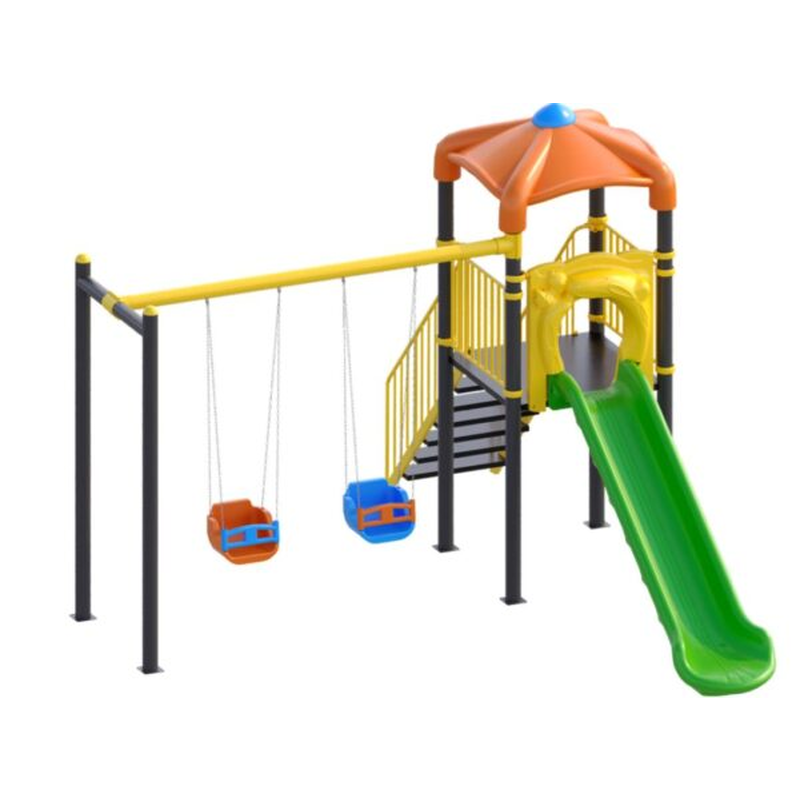
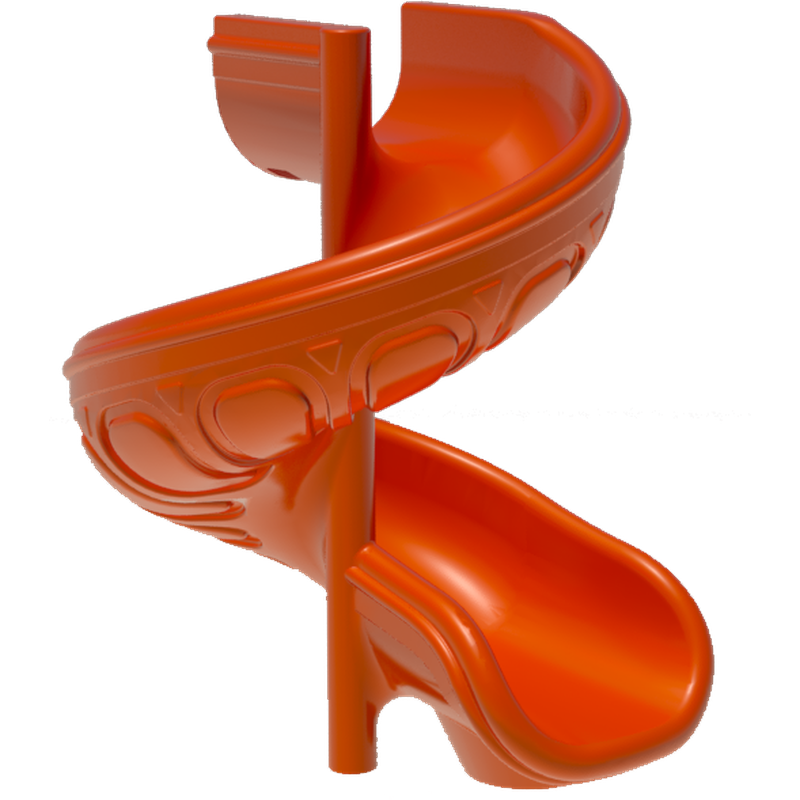
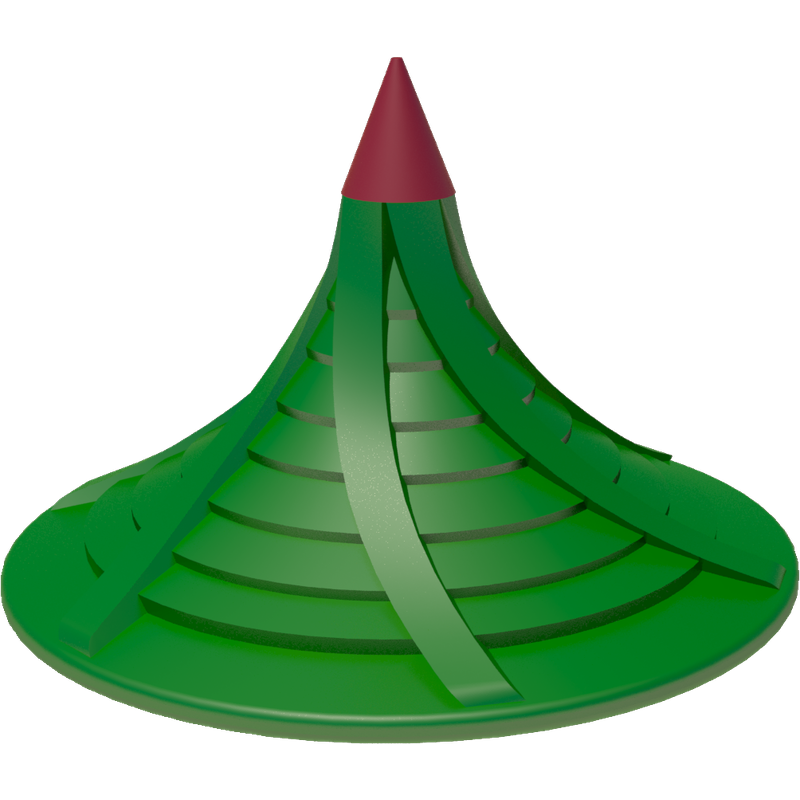
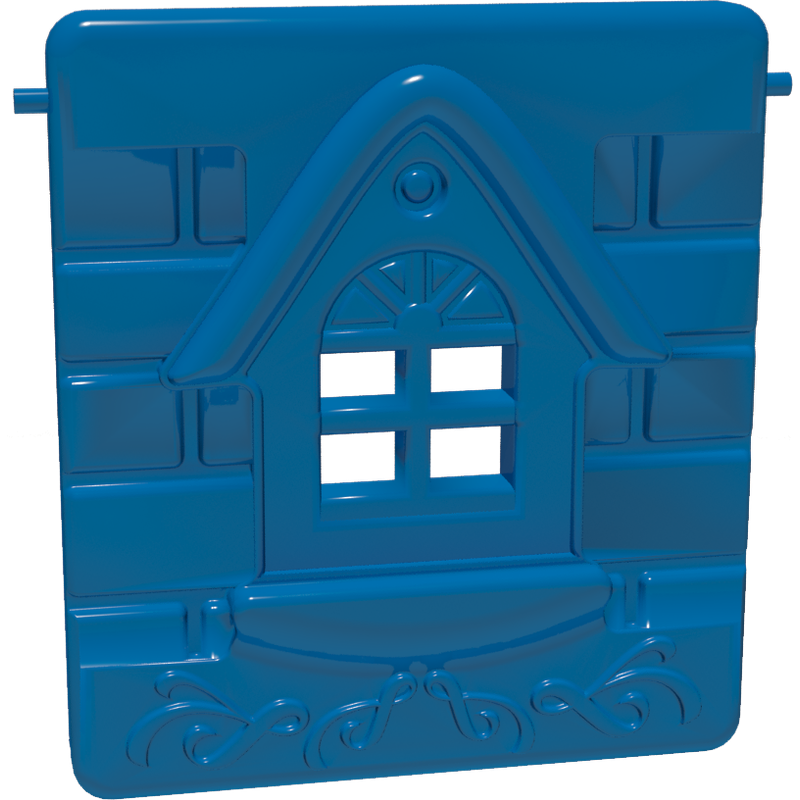
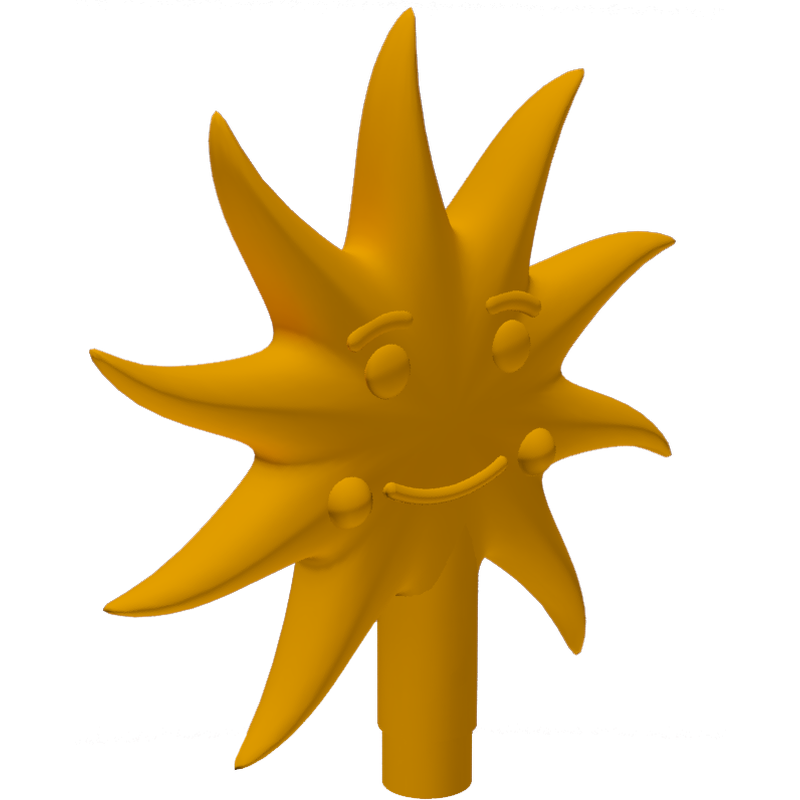
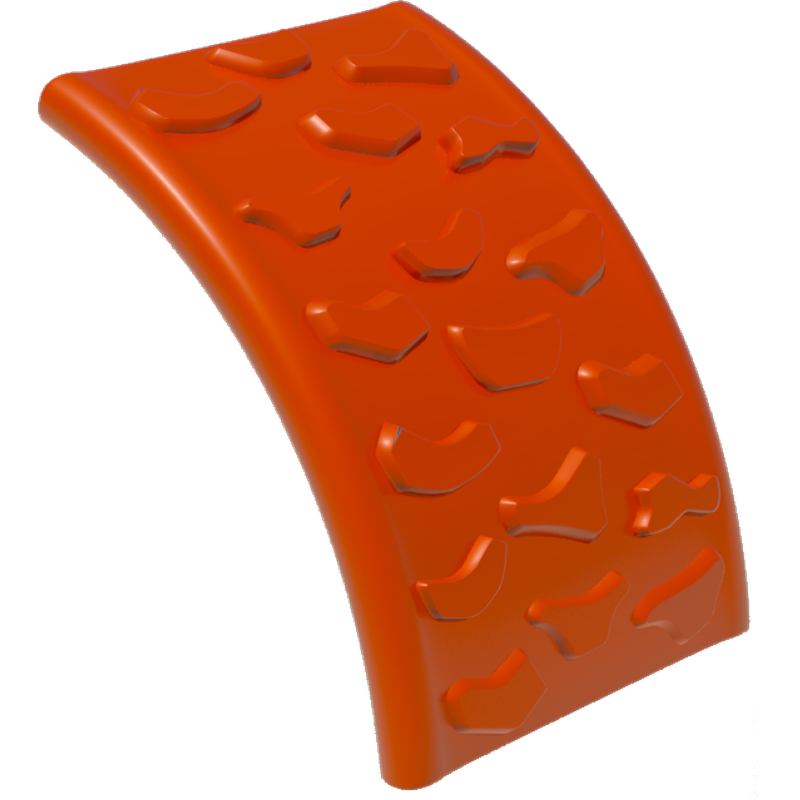
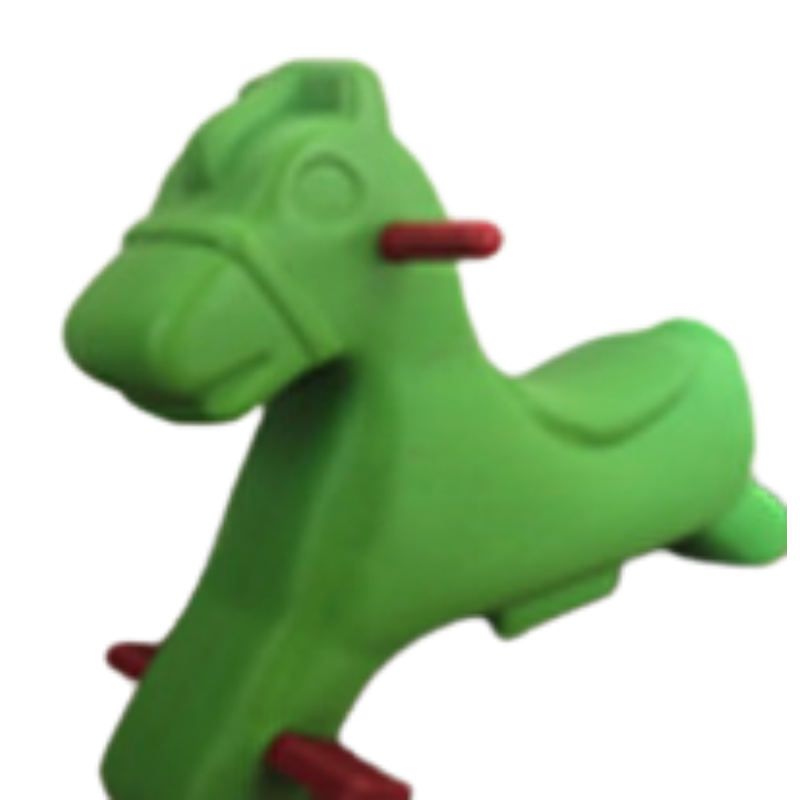
Most of the colourful slides, roofs and panels you see in playgrounds are made using a method called rotational moulding (rotomoulding). At Asilsanpark we manufacture our polyethylene slides and play elements with this technology in our own factory.
How does rotational moulding work?
- Filling: Powdered polyethylene (PE) raw material is measured into a metal mould.
- Heating and rotation: The mould is slowly rotated on two axes inside an oven. The molten plastic coats the inner surface of the mould with an even thickness.
- Cooling: The mould is cooled while it keeps rotating, so the part holds its shape.
- Demoulding and finishing: The part is removed from the mould, trimmed and passed through quality control.
Why is it preferred for playground equipment?
- Seamless, one-piece body: With no joints, the risk of cracking and breaking is reduced.
- Rounded edges: No sharp corners – ideal for child safety.
- Uniform wall thickness: Provides balanced resistance to impacts.
- Colour throughout: Because the colour is added to the raw material, there is no paint to chip or peel.
- UV and antistatic additives: Prevent fading in the sun and static build-up.
The Asilsanpark difference
We produce rotationally moulded slide components not only for our own playground sets but also for other companies in the industry. All of our plastic components are certified food-safe.