




AccessibilityDesignMunicipalities
Inclusive Play Areas: Play for Every Child
2 min readAsilsanpark

Inclusive play areas let children with different physical and sensory needs play together. The key principles to consider in design.
Play is every child’s right. Inclusive play areas aim to let children who use wheelchairs, have visual or hearing impairments, or have different sensory needs play together in the same space as their peers.
Key principles of inclusive design
Access
- The entrance to the play area and the paths within it should be wide and gentle enough for wheelchair use.
- Firm, even surfaces such as wet-pour rubber make access much easier than loose fill.
Variety
- Play opportunities should be offered at ground level, not only on high platforms.
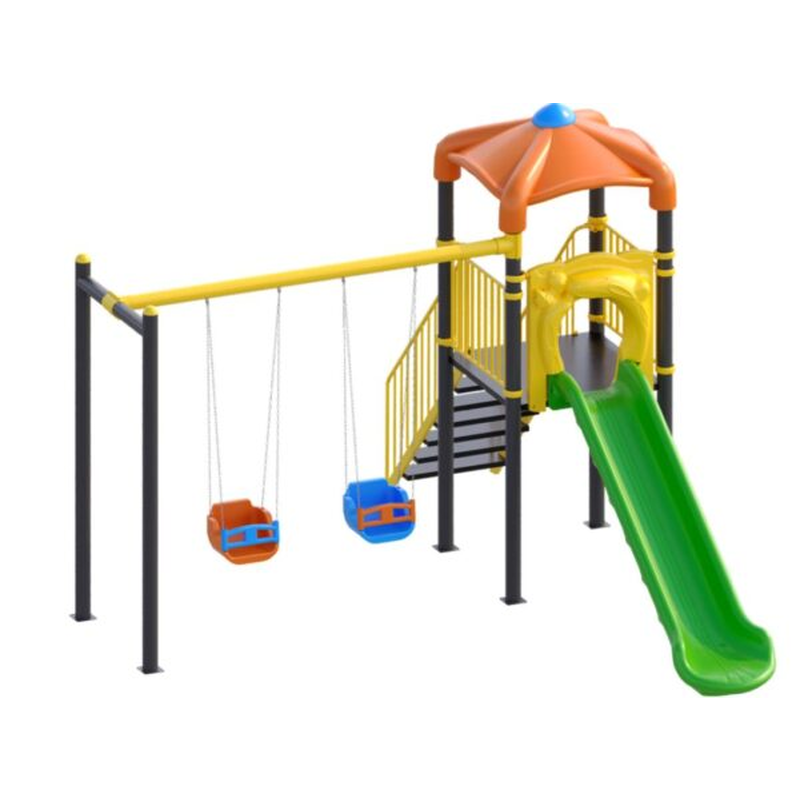
- Ramped platforms, swings with wide seats and sensory panels close to the ground are good choices.
Sensory richness
- Panels with different textures, colours and sounds make play meaningful for children with visual or hearing impairments too.
- High-contrast colours help children read the space easily.
Social play
- Equipment that several children can use together encourages mixing.
- Quiet corners give children who are affected by overstimulation a place to rest.
A recommendation for municipalities
In new park projects, inclusiveness should be the starting point of the design, not a feature added later. In existing parks, starting with surfacing and entrance improvements quickly makes a big difference.
To review inclusive design principles for your project together, get in touch with us.