

SafetyStandardsGuide
What Are EN 1176 and EN 1177? A Guide to Playground Safety Standards
2 min readAsilsanpark
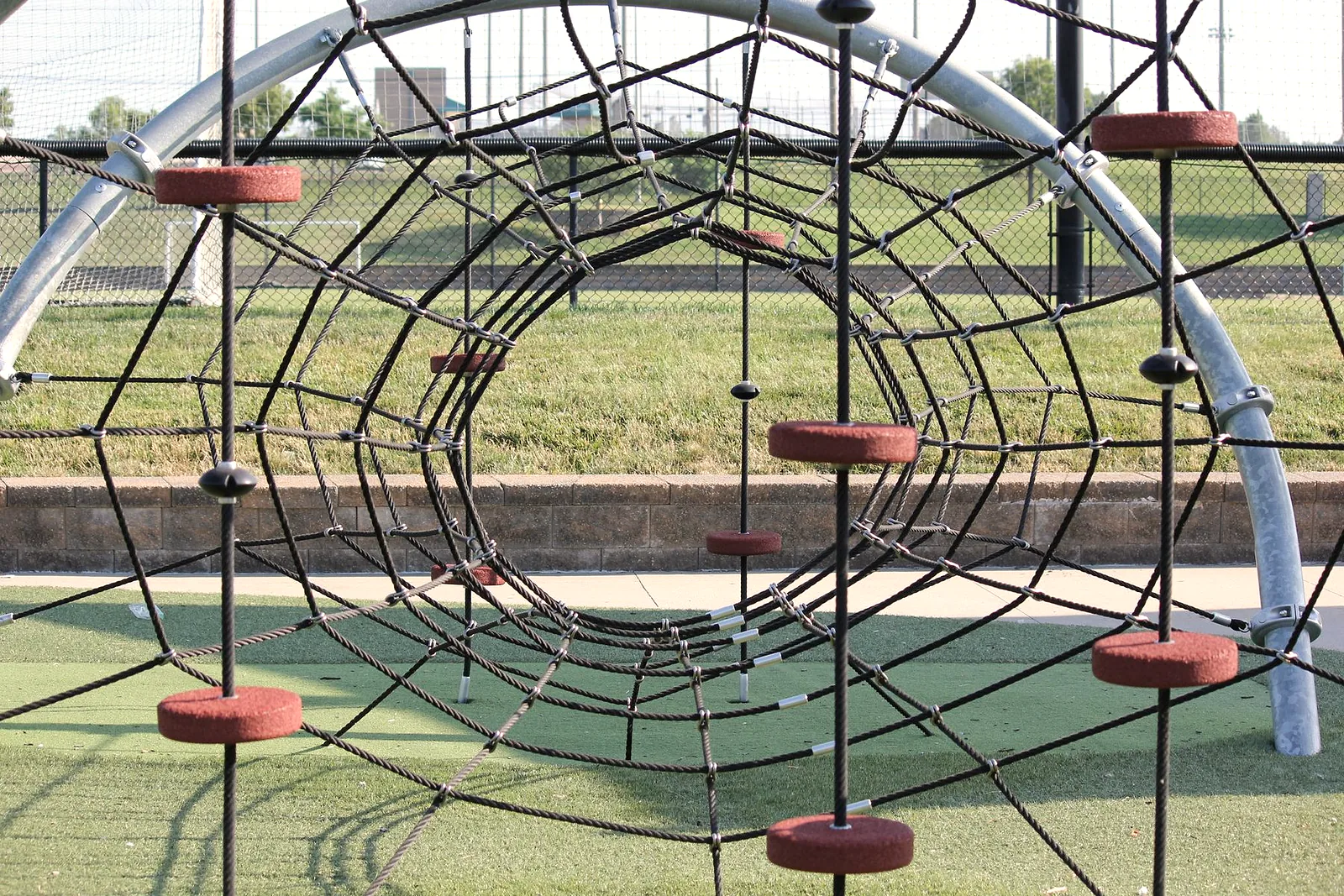
We explain EN 1176 and EN 1177, the foundation of safety in children’s play areas, in plain language: what they cover and what to look for when buying.
A playground should not just be colourful and fun – above all, it must be safe. In Europe and Türkiye, the main references are EN 1176, which covers playground equipment, and EN 1177, which covers impact-absorbing surfacing. In Türkiye these standards are published by TSE as TS EN 1176 and TS EN 1177.
What does EN 1176 cover?
EN 1176 is a series of standards setting safety requirements for the design, manufacture, installation and maintenance of playground equipment. Alongside general requirements, it contains separate parts for product types such as swings, slides, cableways, carousels and rocking equipment. The main topics are:
- Entrapment hazards: Openings where heads, necks, fingers or clothing could get trapped are tested with special probes.
- Fall height and guard rails: Guard rail and barrier requirements are defined according to platform height.
- Safety zones: Each piece of equipment has a free space around it that must not overlap with other equipment.
- Materials and strength: Durability of the materials used and avoidance of sharp edges and protrusions.
- Installation, inspection and maintenance: How equipment should be checked throughout its life.
What does EN 1177 cover?
EN 1177 deals with the impact-absorbing surfacing under playground equipment. The standard defines the test method that determines the fall height a surface can protect against. This height is called the critical fall height, and it must be equal to or greater than the free fall height of the equipment.
What to look for when buying
- Ask the manufacturer in writing which standards the product is designed to.
- Share the dimensions of the installation area; safety zones must be included in the planning.
- Plan the surfacing together with the equipment; the surface is at least as important as the equipment itself.
- Agree on post-installation inspection and a periodic maintenance plan from the start.
For exact dimensions and values, always refer to the current text of the standard. To review these points together while planning your project, fill in our quote form.