







Child developmentPlaygrounds
Why Playgrounds Matter: 4 Big Contributions to Child Development
2 min readAsilsanpark
Play is children’s natural way of learning. We look at how playgrounds contribute to physical, social, mental and community development.
Play is children’s natural way of learning. Play areas that support physical, mental and emotional development help children build their abilities and socialise. Playgrounds are among the most effective spaces for this purpose: while playing, children don’t just have fun – they also develop vital life skills.
Physical development
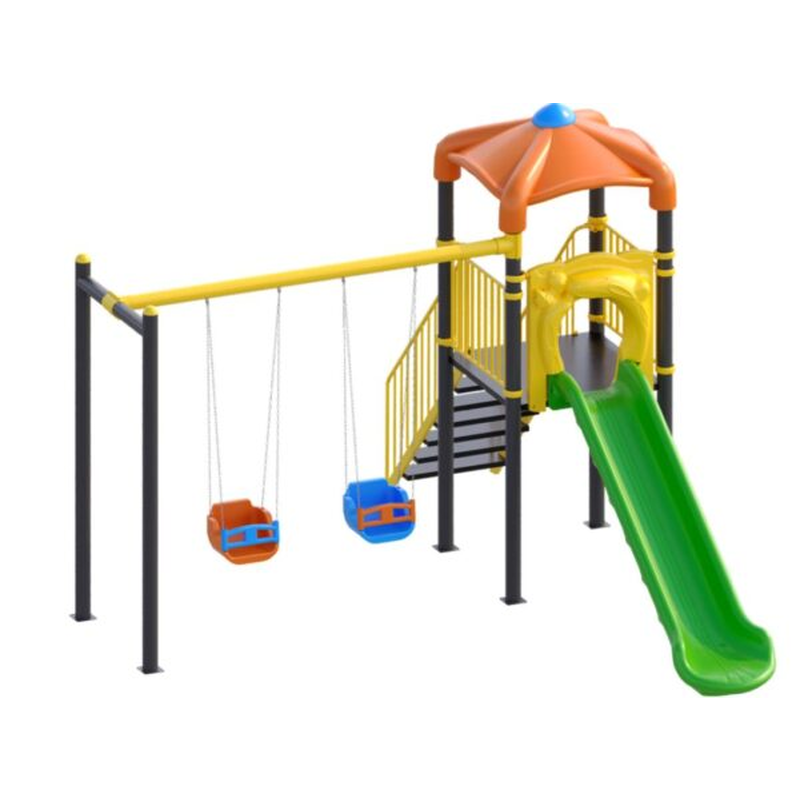
Playgrounds increase children’s physical activity. Equipment such as swings, slides and climbing elements supports muscle development and speeds up the development of motor skills.
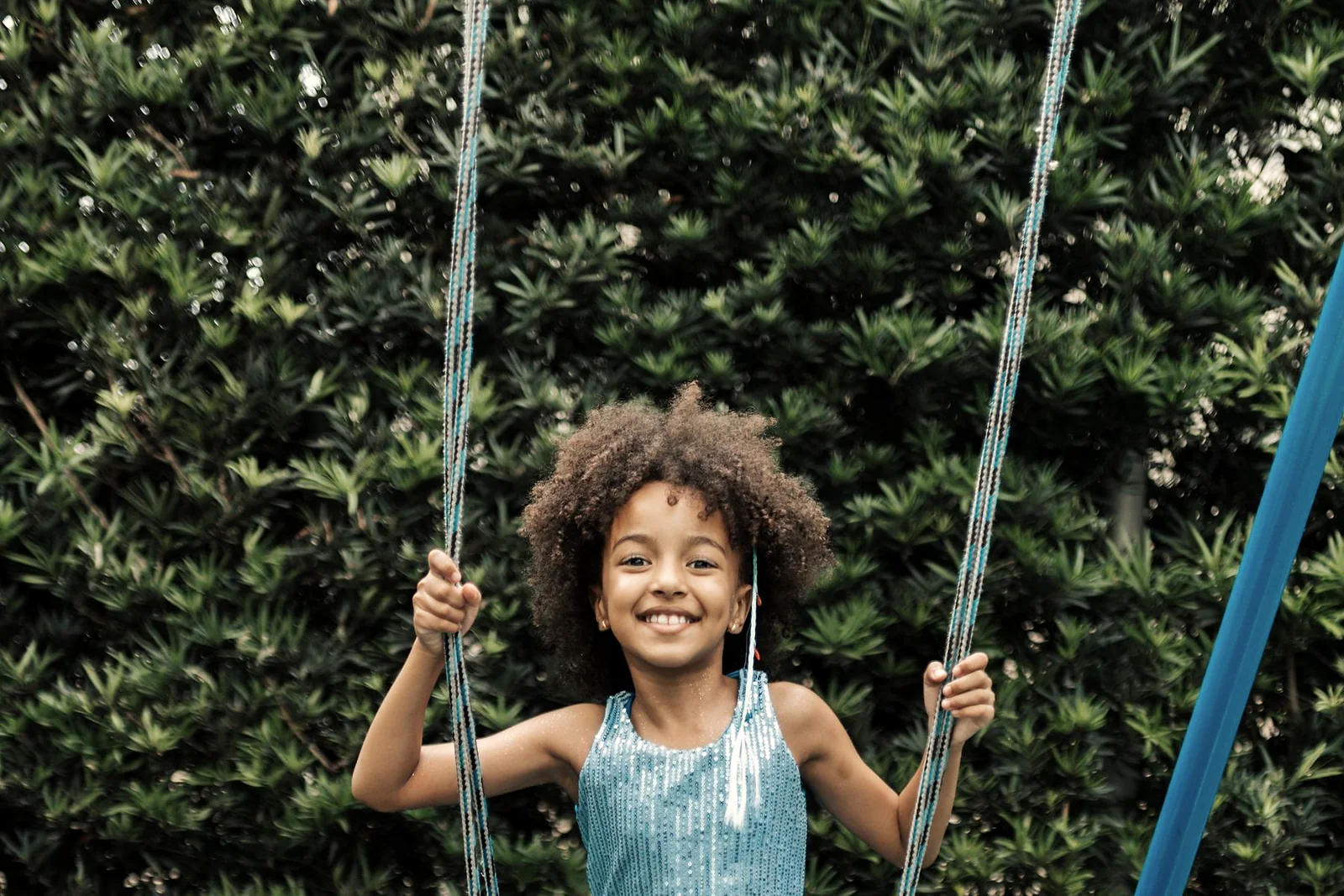
- Balance and coordination: The rhythmic motion of a swing and climbing activities improve children’s balance and coordination.
- Endurance and strength: Climbing equipment of increasing difficulty builds muscular endurance.
- An active lifestyle: Children who spend time in playgrounds make movement a habit, which contributes to a healthy lifestyle in the long term.
Social skills
Playgrounds give children the chance to interact with others. Group games and sharing develop empathy, cooperation and communication skills.
- Teamwork: Team games teach children to fit in with a group and take responsibility.
- Problem solving: Waiting their turn or overcoming obstacles in play builds problem-solving skills.
- Friendships: Playgrounds are a place to make new friends and build social bonds.
Mental and emotional development
Playgrounds develop children’s creativity and problem-solving skills while helping them express themselves emotionally.
- Imagination and creativity: Themed playgrounds nurture children’s imagination.
- Emotional resilience: Small challenges at the playground build patience and resilience.
- Independence: Children playing in a park learn to make their own decisions and act independently.
What playgrounds give the community
- Family and community bonds: Families build stronger bonds by spending time with their children.
- Neighbourhood culture: Playgrounds are social spaces that help neighbourly relationships grow.
- Quality of urban life: Playgrounds surrounded by green space reduce the stress of city life and improve wellbeing.
Conclusion
Playgrounds are versatile spaces that support children’s development in every way. That is why playground design and equipment choice should be a priority for parents and the community alike. To choose the right playground set for your project, browse our products or get in touch.