


Child developmentSensory play
How Sandpits and Sensory Play Support Child Development
2 min readAsilsanpark
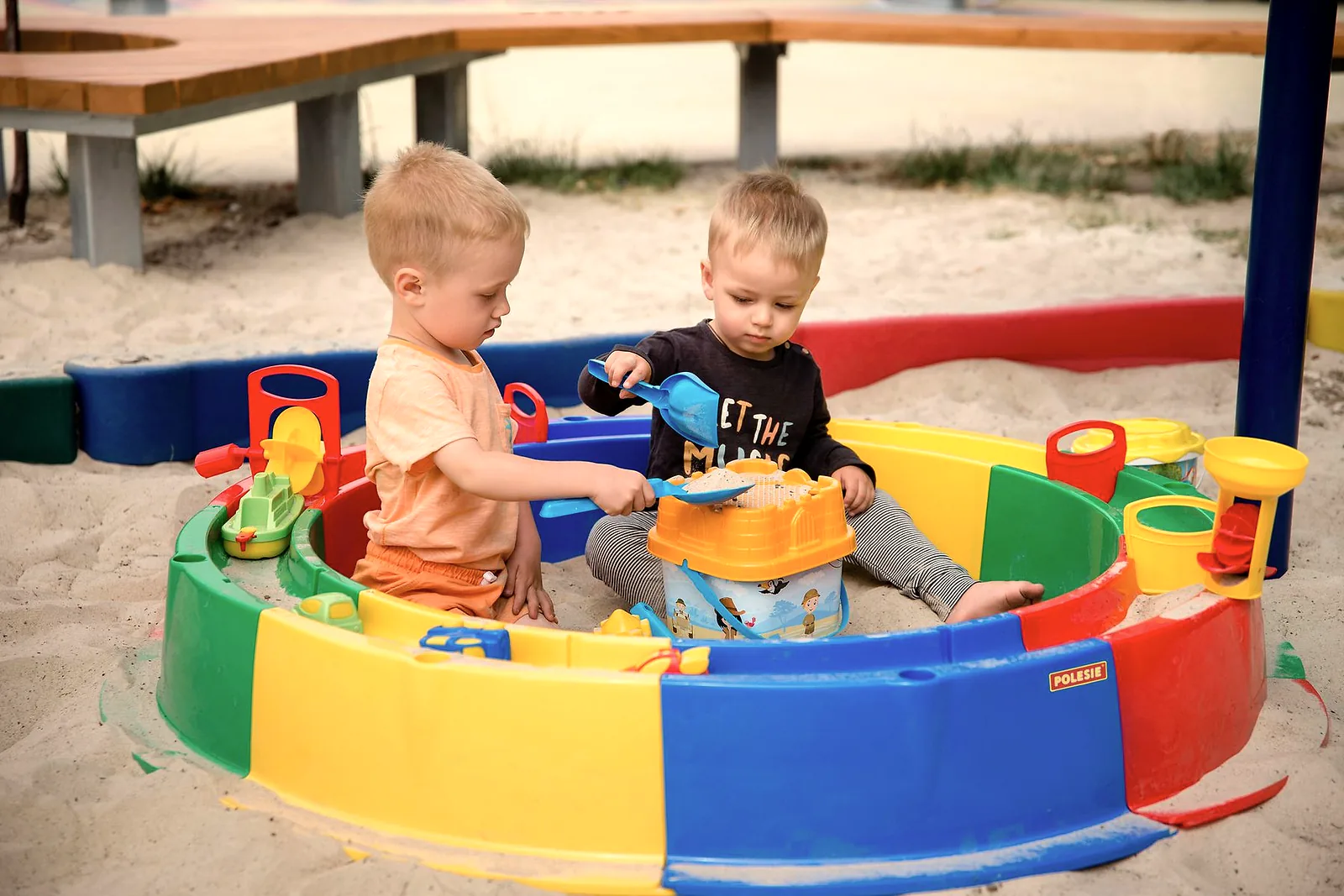
A sandpit is not just fun – it is a powerful tool for fine motor skills and imagination. What you need to know when building a sand play area.
Sand is one of children’s oldest and best-loved play materials. A bucket, a spade and some sand are enough for hours of play. So what does sand play give children?
Benefits of sand play
- Fine motor skills: Digging, filling, emptying and shaping develop hand–eye coordination.
- Sensory development: The different textures of dry and wet sand enrich children’s sense of touch.
- Imagination: Building castles, roads and tunnels fuels creativity.
- Social skills: The sandpit is a natural place where children learn to share and create together.
What to consider when building a sand area
- Sand quality: Use sieved, washed, fine-grained play sand.
- Drainage: There should be a drainage layer underneath to prevent water pooling.
- Cover: It should be possible to cover it when not in use to keep animals out.
- Shade: Sand heats up in the sun, so choose a shaded location or a roof element.
- Maintenance: Rake the sand regularly, replace it at intervals and check it for foreign objects.
Combining it with a playground set
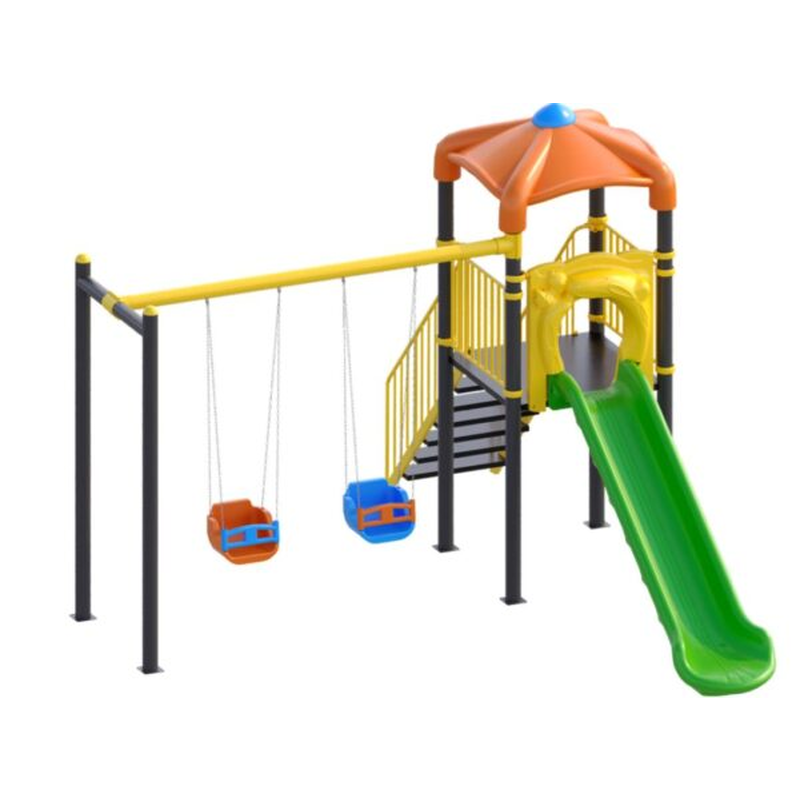
A sand area can also be planned as part of a playground set. Areas that combine sand play with climbing and sliding let children of different ages play at the same time.
For a layout that suits your site, get in touch with us.