
SurfacingSafetyGuide
How to Choose Playground Surfacing: Rubber, EPDM, Sand and Grass Compared
2 min readAsilsanpark
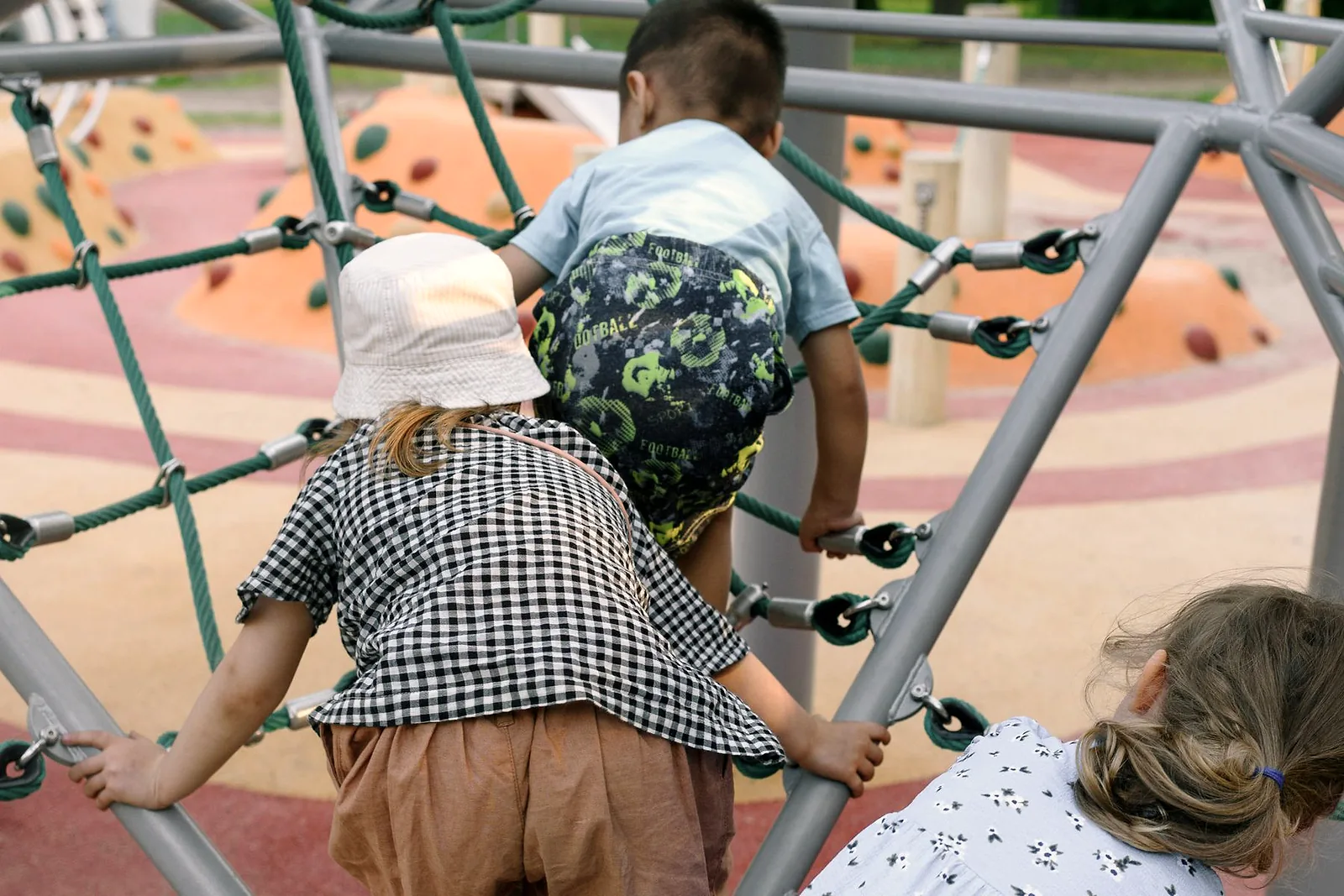
Playground surfacing is what protects children when they fall. We compare the advantages and limits of wet-pour rubber, rubber tiles, sand, gravel and grass.
A large share of play area accidents are caused by falls. So however good the equipment is, a play area is not safe unless the surfacing underneath is chosen correctly. Surfacing should be chosen according to the equipment’s fall height, budget, maintenance capacity and how intensively the area is used.
Wet-pour rubber (EPDM)
A seamless, colourful surface poured on site.
- Pros: Attractive appearance, easy cleaning, accessible for wheelchairs and pushchairs, low day-to-day maintenance.
- Watch out for: Thickness must be set according to the fall height of the equipment. The initial investment is higher than other options.
Rubber tiles
Created by laying pre-made tiles on the ground.
- Pros: Quick installation; a damaged tile can be replaced on its own.
- Watch out for: Joints between tiles should be checked regularly; lifted edges create a trip hazard.
Sand and gravel (loose fill)
A traditional, economical solution.
- Pros: Low cost, good impact absorption, natural look.
- Watch out for: It spreads and compacts over time, so regular raking and topping up are needed. Impact absorption drops when it is wet or frozen. It needs frequent checks for foreign objects.
Grass
Can be used in areas with low platforms for younger children, but it wears quickly under heavy use and is not enough on its own under taller equipment.
Which surface should I choose?
- Municipal parks and heavy use: Wet-pour rubber or rubber tiles.
- Kindergartens and residential gardens: Rubber surfaces stand out for accessibility and cleanliness.
- If budget is the priority: Sand laid at the right depth is a good option with regular maintenance.
To work out which surface suits your site together with the height of your playground set, get in touch with us.