





Child developmentClimbing
Climbing and Rope Nets: How They Shape Children’s Motor Development
2 min readAsilsanpark

Climbing builds strength, balance, coordination and confidence. We cover the benefits and safe use of climbing elements and rope nets.
Children love to climb. Climbing a tree, a wall or the highest point of a playground set is a valuable experience for both physical and mental development.
Benefits of climbing
- Strength: Arms, legs and core muscles work together.
- Balance and coordination: Every step requires balancing body weight.
- Problem solving: Asking “Which hold comes next?” develops planning skills.
- Confidence: Reaching the top gives a sense of achievement.
- Risk assessment: Children discover their own limits in a safe environment.
Types of climbing elements
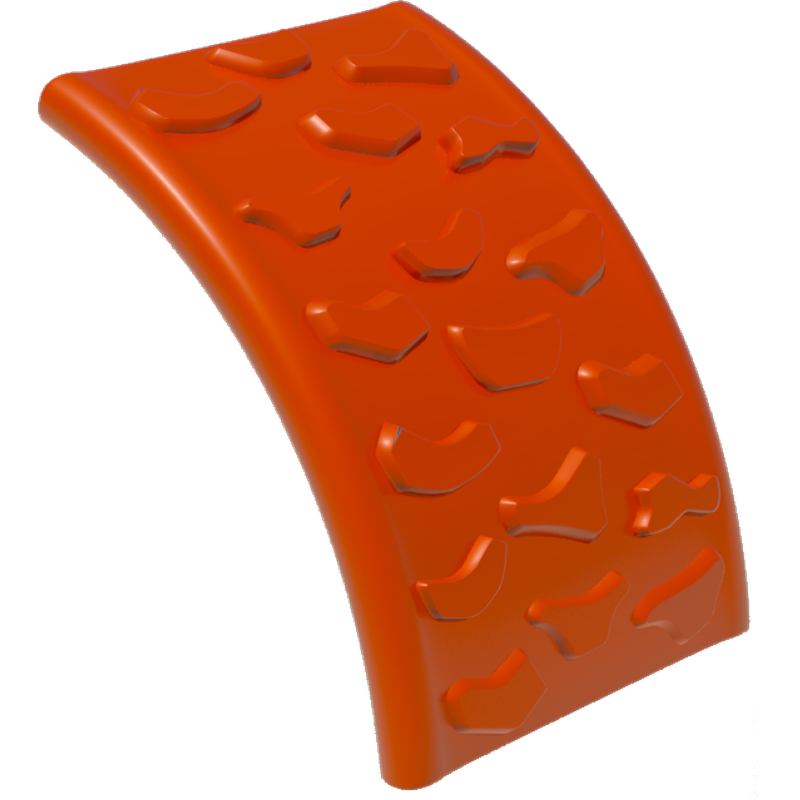
- Climbing walls and rock climbing panels: Offer different levels of difficulty.
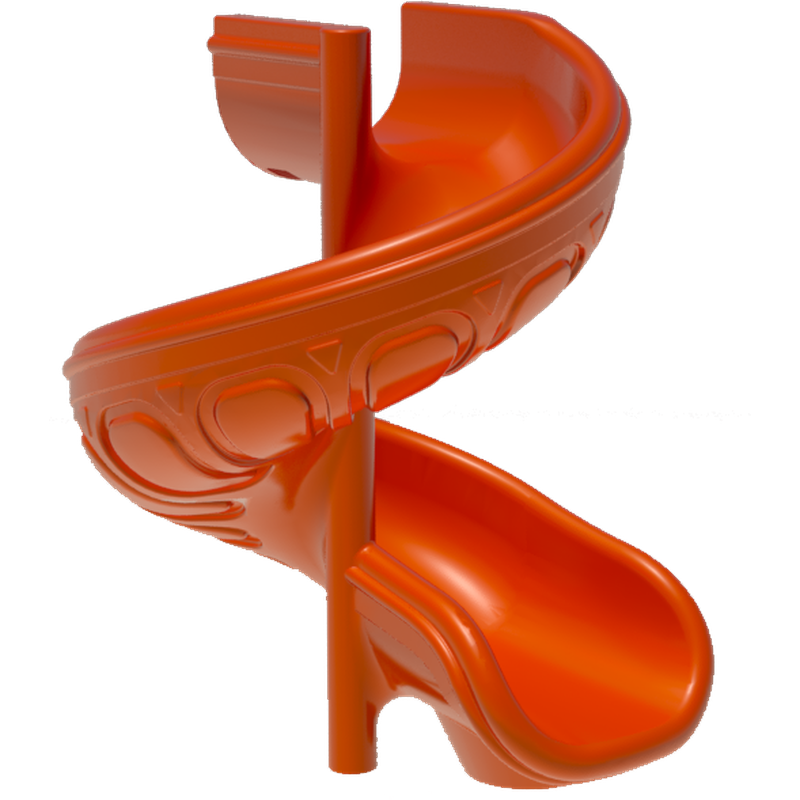
- Twist climbers: Their spiral shape adds both visual and physical variety.
- Rope nets: Their flexible structure strengthens balance and coordination.
- Ladders and steps: A first climbing experience for younger children.
Climbing safely
- The surface under a climbing element must suit its fall height.
- Ropes and fixings should be checked regularly for wear, loosening and breakage.
- Make sure holds are firmly attached.
- Choose a height suitable for the age group.
Browse our climbing elements on the Sport & Climbing page.