
DesignChild developmentPlanning
Designing Play Areas by Age Group: 0–3, 3–6 and 6–12 Years
2 min readAsilsanpark
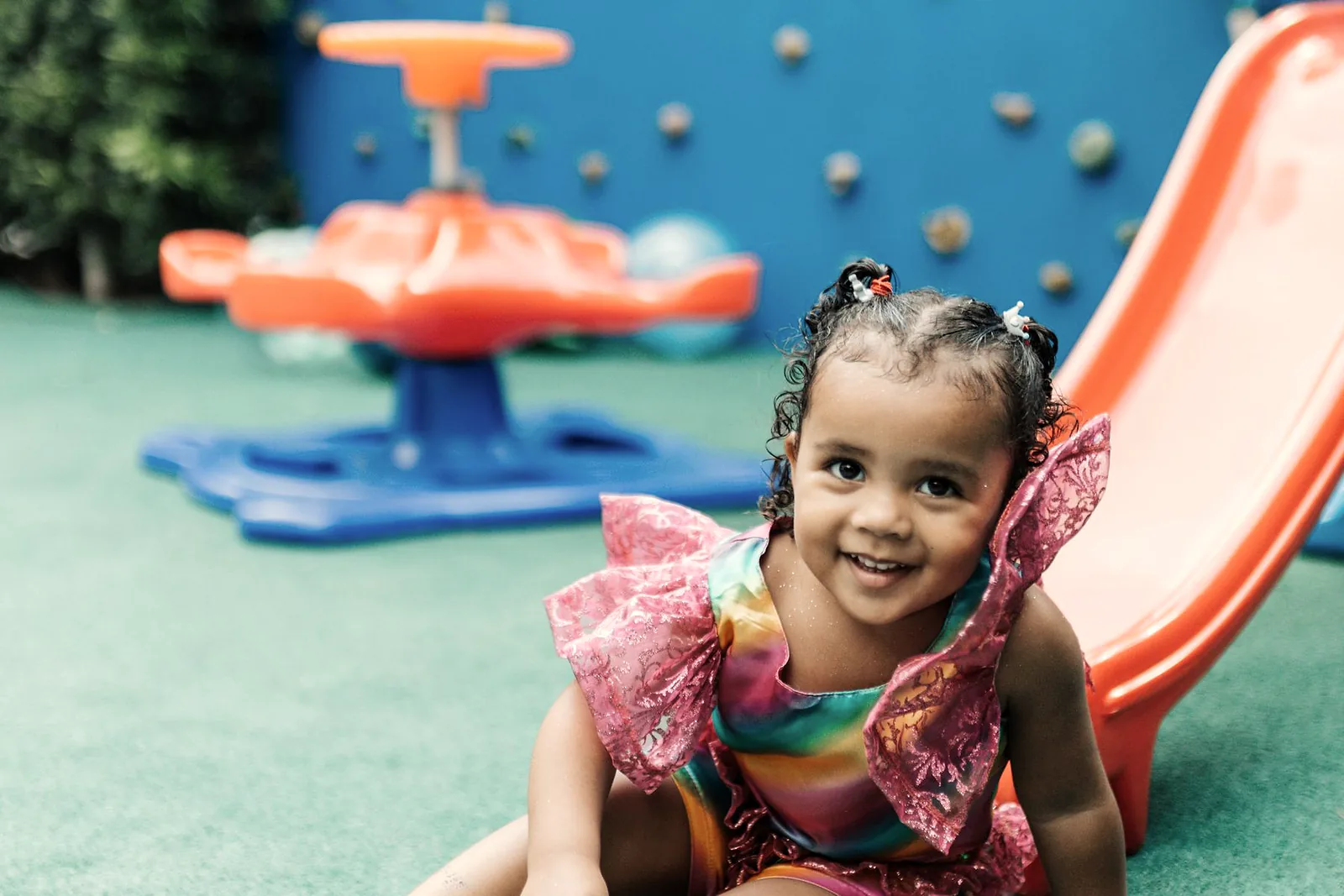
Each age group has different movement skills and play needs. A step-by-step guide to planning a play area around age groups.
A well-designed play area is shaped around the age of the children who will use it. Equipment that thrills a three-year-old may bore a ten-year-old – and the opposite can create a safety risk.
0–3 years: Exploration and balance
Children of this age are just learning to crawl, stand and walk.
- Low platforms and short slides with gentle slopes,
- Sensory panels (numbers, colours, shapes),
- Areas for sand and water play,
- Clear sight lines so parents can stay close by.
3–6 years: Climbing and imagination
Pre-school children love climbing, sliding and role play.
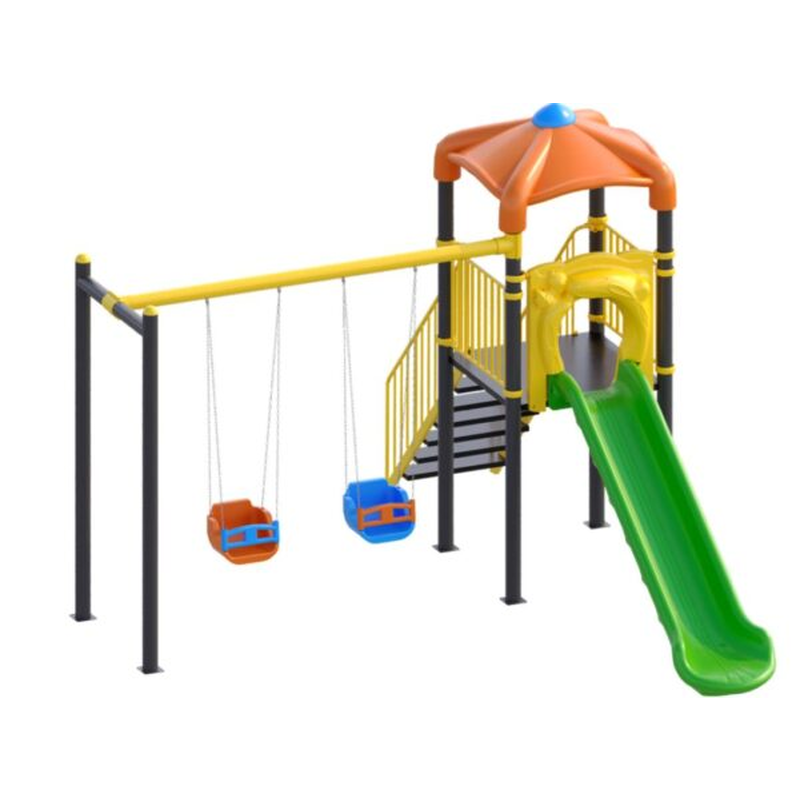
- Playground sets with low platforms such as H100,
- Straight and wavy slides,
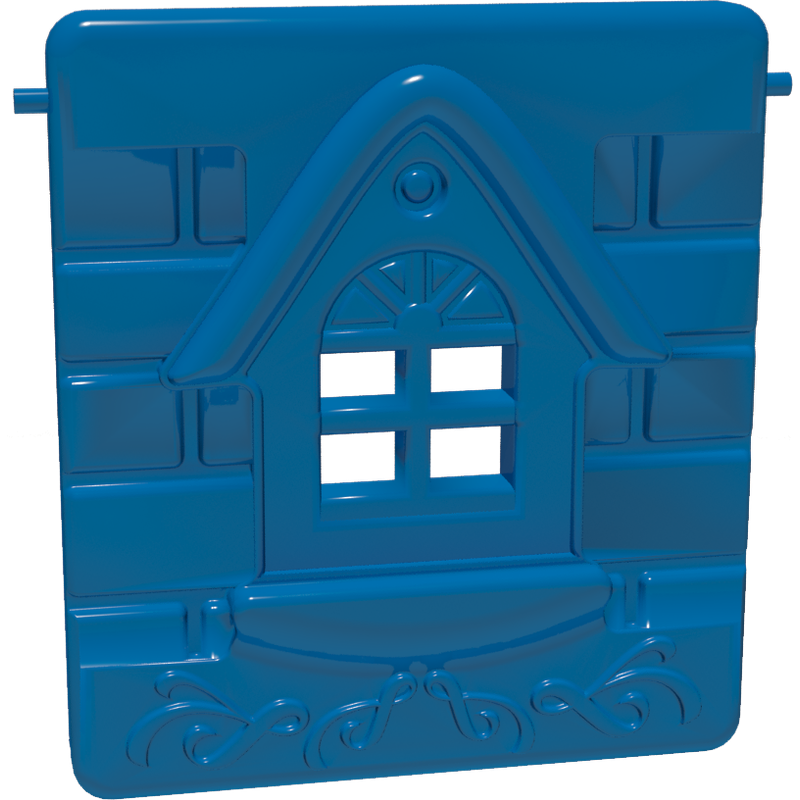
- Themed panels and figures such as houses, trains and ships,
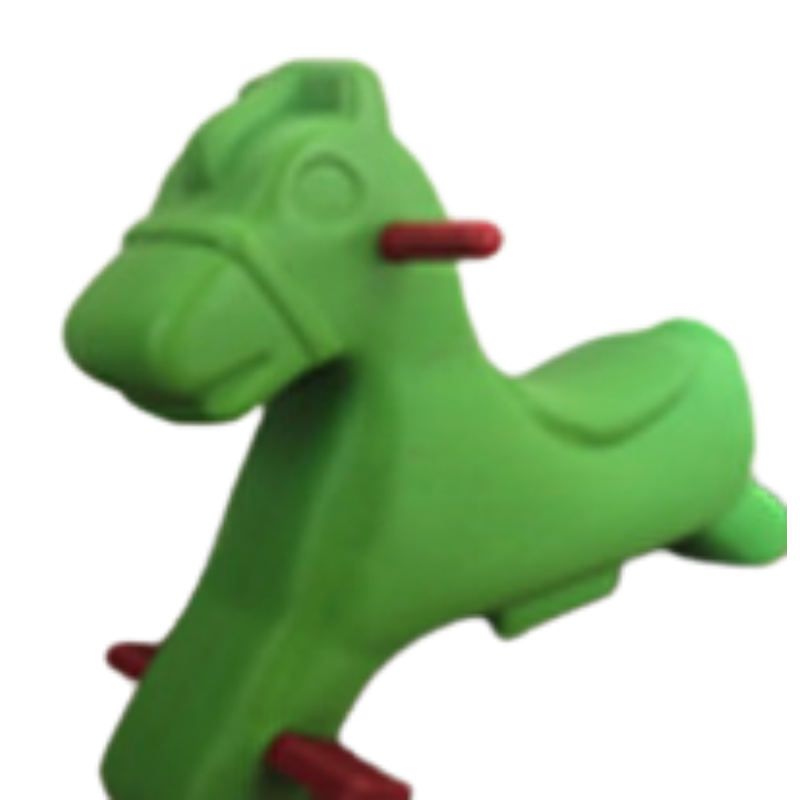
- Spring riders and seesaws.
6–12 years: Challenge and social play
School-age children look for higher, more active play that requires skill.
- H150 and higher platforms,
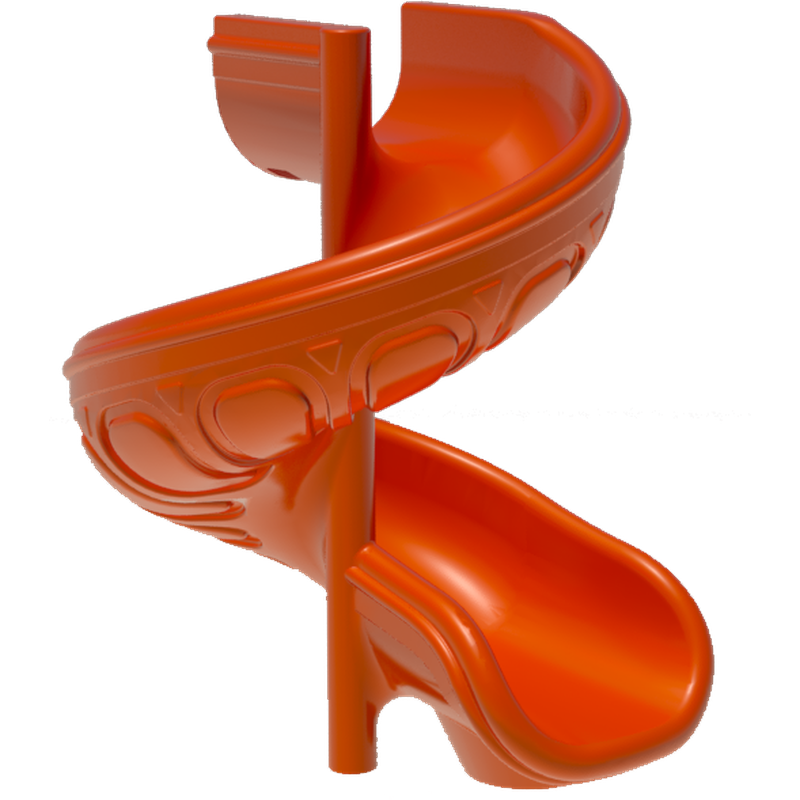
- Spiral and tube slides,
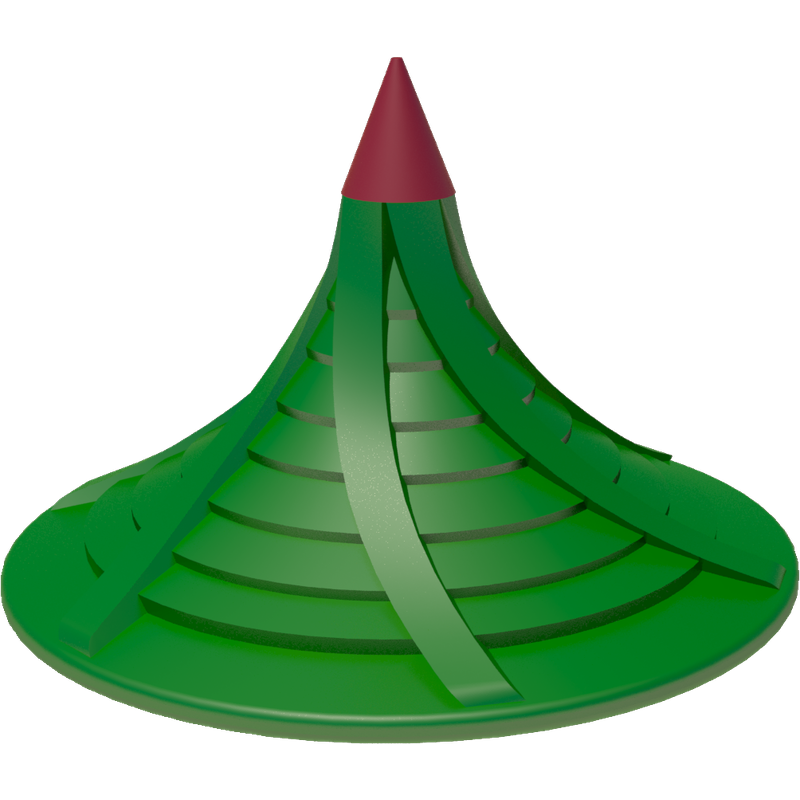
- Climbing walls, rope nets and twist climbers,
- Equipment that can be used in groups.
Tips for mixed-age areas
If one area will serve several age groups:
- Create separate zones for younger and older children,
- Separate the zones with planting strips or low barriers,
- Plan seating from which parents can see both zones.
You can browse models for different age groups on our Playground Sets page.